Nepali Cuisine: A Culinary Journey Through Nepal
Nepali cuisine is a reflection of its geography and cultural diversity. From mountain staples to Kathmandu Valley specialties, the food tells stories of Nepal.
The Foundation: Dal Bhat
"Dal bhat power 24 hours" is the Nepali motto for good reason. This simple meal of lentil soup with rice provides complete protein and sustains trekkers for hours.
- *Dal** (lentil soup) is cooked with spices and served daily. Regional variations exist—some areas add extra vegetables, others add meat for special occasions.
- *Bhat** (rice) is the staple carbohydrate. In the hills, you might get millet or barley bread instead.
This combination is cheap, filling, and has been sustaining Nepali people for centuries.
Must-Try Nepali Dishes
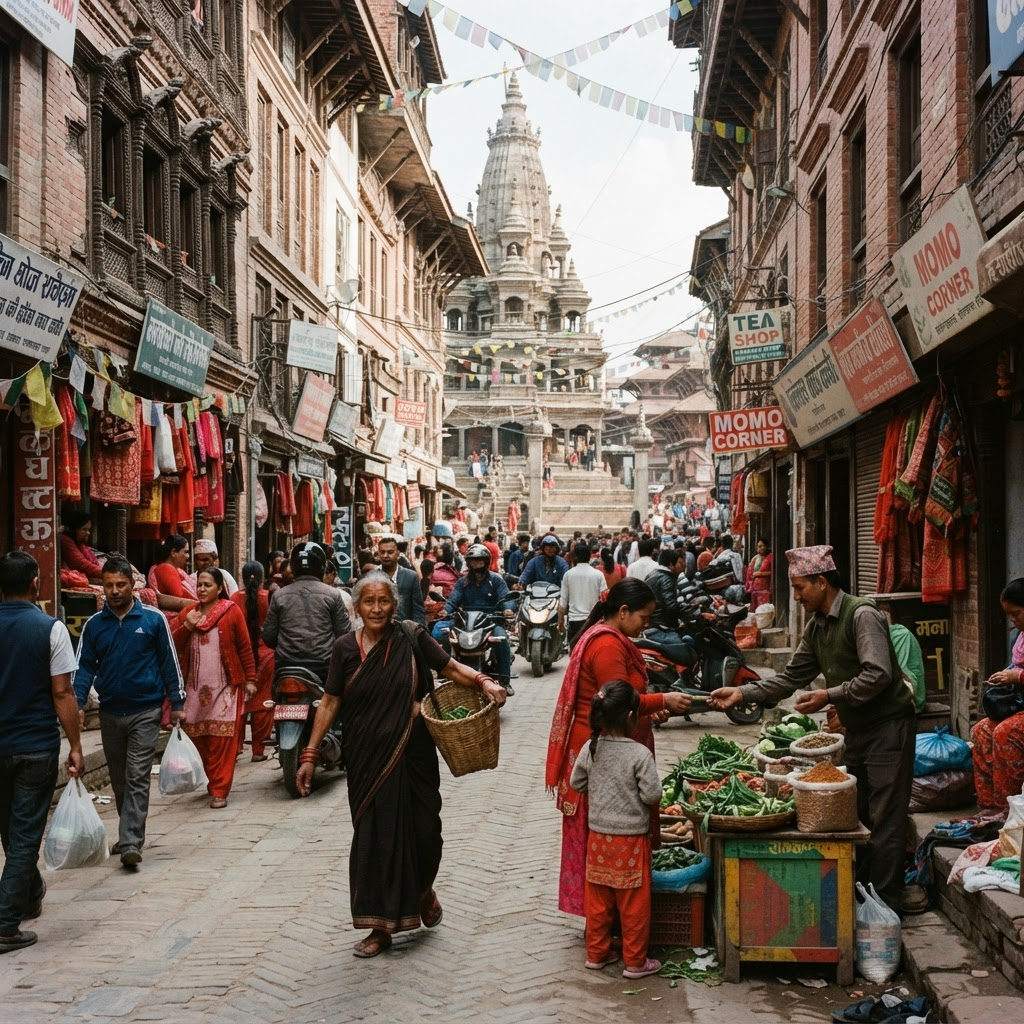
- *Momo**: Dumplings filled with meat or vegetables, served with dipping sauce. Addictively delicious and found everywhere.
- *Chow Mein**: Stir-fried noodles, usually vegetarian but sometimes with egg or meat. A common meal in teahouses.
- *Gundruk**: Fermented leafy greens. Tangy, healthy, and an acquired taste.
- *Sekuwa**: Grilled meat (usually chicken or goat) marinated in spices. Perfect with rice or with Nepali beer.
- *Thukpa**: Noodle soup, particularly popular in the mountains. Warming and comforting after long treks.
- *Sel Roti**: Sweet fried bread made for special occasions. Crispy outside, soft inside.
- *Aloo Paratha**: Bread stuffed with spiced potatoes. Street food favorite.
Regional Specialties
- *Newari Cuisine** (Kathmandu Valley): Uses different ingredients and techniques. Jujudhau (rice pudding) and Bara (lentil fritters) are famous Newari dishes.
- *Sherpa Cuisine** (Mountain regions): Hearty and protein-rich. Butter tea and yak cheese are staples. Food is designed for survival at high altitudes.
- *Madhesi Cuisine** (Southern plains): Influenced by Indian cuisine. Spicier and uses different grains.
Beverages
- *Masala Chai**: Spiced milk tea. Served hot and is more of a social ritual than a drink.
- *Rakshi**: Local rice alcohol, quite strong. Offered during celebrations.
- *Tongba**: Fermented millet drink, served warm. Popular in mountain regions.
- *Lassi**: Yogurt-based drink, sweet or salty.
Eating Tips
1. **Eat Where Locals Eat**: Tiny local restaurants (dhabas) serve authentic food at fair prices. 2. **Ask About Ingredients**: If you have dietary restrictions, clarify with restaurant staff. 3. **Eat at Established Teahouses**: On treks, stick to well-known teahouses to avoid stomach issues. 4. **Try Street Food Wisely**: Popular street stalls are usually safer than quiet ones. 5. **Say Yes to Invitations**: If locals invite you to eat, accept! You'll have authentic experiences and great food.
Cooking Class Experience
Consider taking a cooking class in Kathmandu or Pokhara. You'll learn to make momos, dal bhat, and other dishes from local chefs. It's an immersive cultural experience and skill you'll carry home.
Food is the universal language. In Nepal, sharing a meal is sharing culture, history, and hospitality. Don't just eat while traveling—experience and celebrate the food.