Photography Guide: Capturing Nepal's Beauty
Nepal is a photographer's paradise. Golden temples, dramatic mountains, vibrant markets—every corner offers a shot. Whether you're using a smartphone or professional camera, here are tips to improve your Nepal photography.
Golden Hour Magic
The best light in Nepal is during golden hour—first hour after sunrise and hour before sunset.
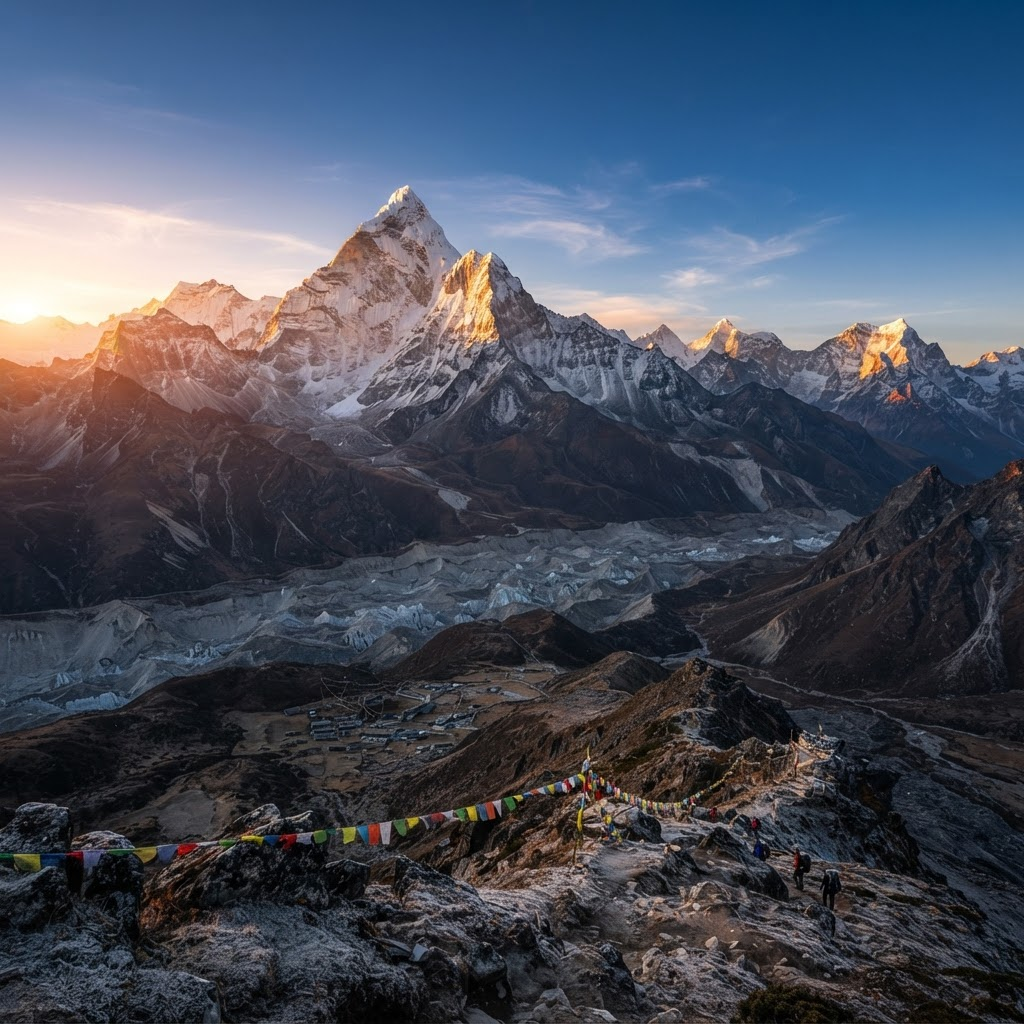
- *Morning**: Mountains are often clearer. Start early to capture sunrise from high vantage points. Pashupatinath at dawn is ethereal.
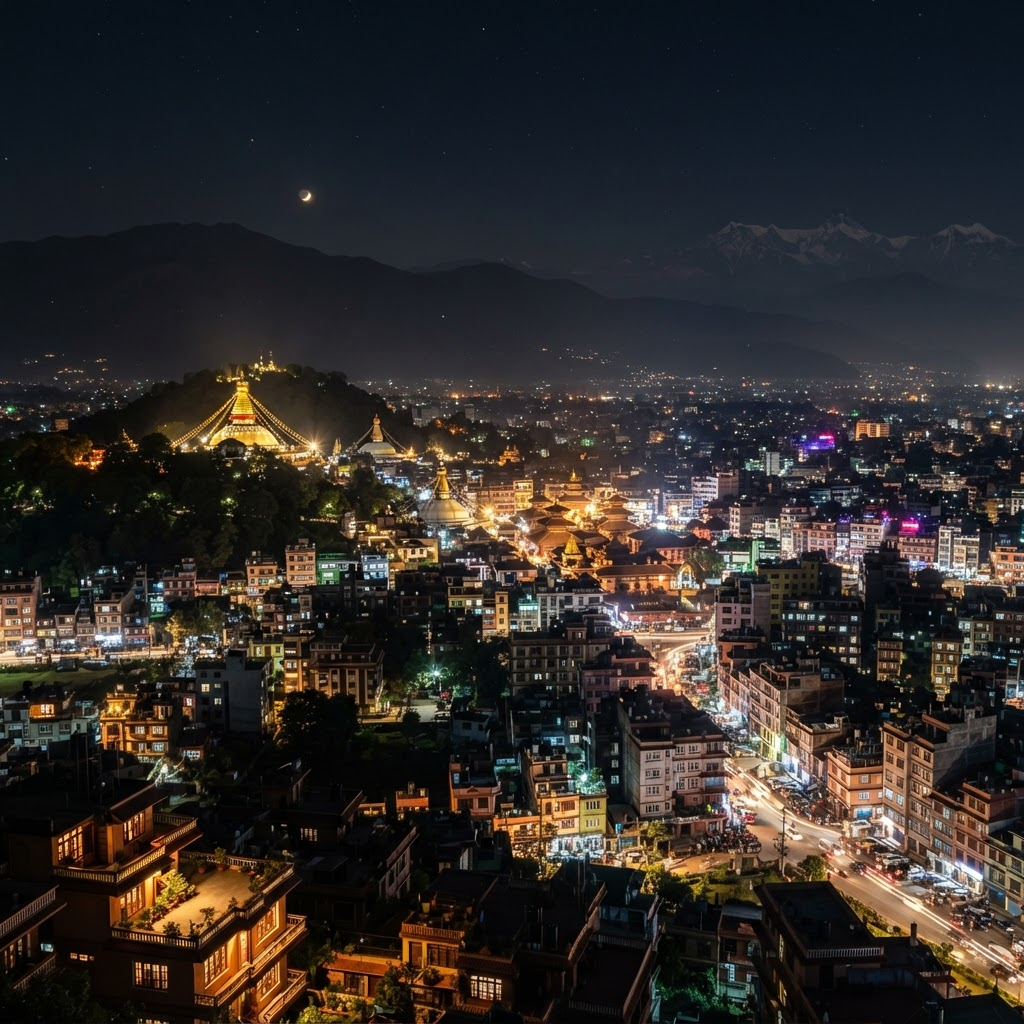
- *Evening**: Temples glow beautifully in evening light. Boudhanath at sunset is magical.
Mountain Photography
- *Clear Day Shoots**:
- Shoot from high elevation for best mountain visibility
- Compose with foreground elements—trees, people, prayer flags
- Use wide-angle lenses to capture the scale
- *Hazy Days**:
- Shoot in black and white to emphasize shape and form
- Use silhouettes
- Shoot close-ups instead of wide shots
Cultural Photography
- *Temples**: Respect sacred spaces. Ask permission before photographing ceremonies. Early morning often has fewer tourists and better lighting.
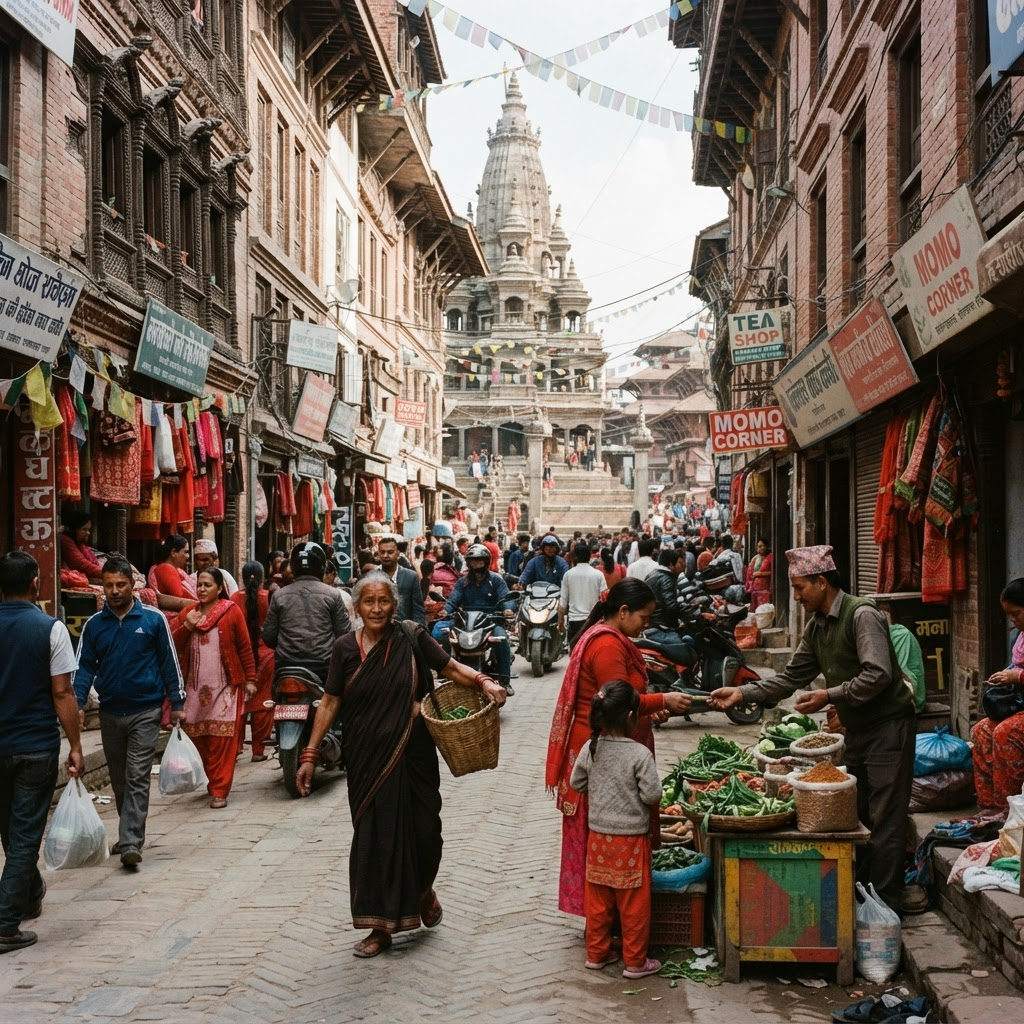
- *Markets**: Vibrant colors are everywhere. Focus on details—spices, fruits, faces. Always ask before photographing people.
- *People**: Nepali people are generally friendly. Approach with respect, smile, and ask permission. Sometimes offering to share the photo builds connection.
Composition Tips
- *Rule of Thirds**: Divide frame into 9 sections. Place subjects at intersections for natural composition.
- *Leading Lines**: Use trails, rivers, prayers beads to lead viewer's eye.
- *Framing**: Use natural frames (tree branches, doorways) to draw attention to subject.
- *Layering**: Include foreground, middle ground, and background to create depth.
Practical Tips
1. **Bring extra batteries**: Cold at altitude drains them quickly. 2. **Polarizing filter**: Reduces glare, makes skies deeper blue. 3. **Neutral density filter**: For long exposure shots, especially water. 4. **Clean lens regularly**: Altitude and dust require frequent cleaning. 5. **Backup storage**: Multiple memory cards prevent data loss.
Phone Photography
Modern smartphones take excellent photos. Tips:
- Clean your lens frequently
- Use natural light when possible
- Take multiple shots from different angles
- Use portrait mode for depth
- Edit minimally but thoughtfully
Processing
Post-processing can enhance your photos:
- Increase contrast slightly
- Adjust white balance for warm tone
- Reduce highlights, lift shadows
- Increase vibrancy (not saturation)
Avoid over-processing. Good composition beats heavy editing.
Ethical Photography
- Ask before photographing people
- Don't disturb sacred rituals for photos
- Share photos with locals when possible
- Respect "no photos" signs
- Don't treat people as photo props
Locations for Great Photos
- *Sunrise**: Nagarkot, Sarangkot, Changtikot
- *Temples**: Pashupatinath, Boudhanath, Swayambhunath
- *Markets**: Asan, Thamel, Bhaktapur Durbar Square
- *Mountains**: EBC trail, Annapurna Circuit, Langtang Valley
- *Lakes**: Phewa Lake Pokhara, Tilicho Lake
- *Villages**: Namche Bazaar, Bhaktapur, Janakpur
Nepal's beauty is easy to photograph. The challenge is doing it respectfully and creatively. Every moment is a potential masterpiece—be patient, observe carefully, and capture not just images but feelings and stories.