Discovering the Sacred Temples of Kathmandu
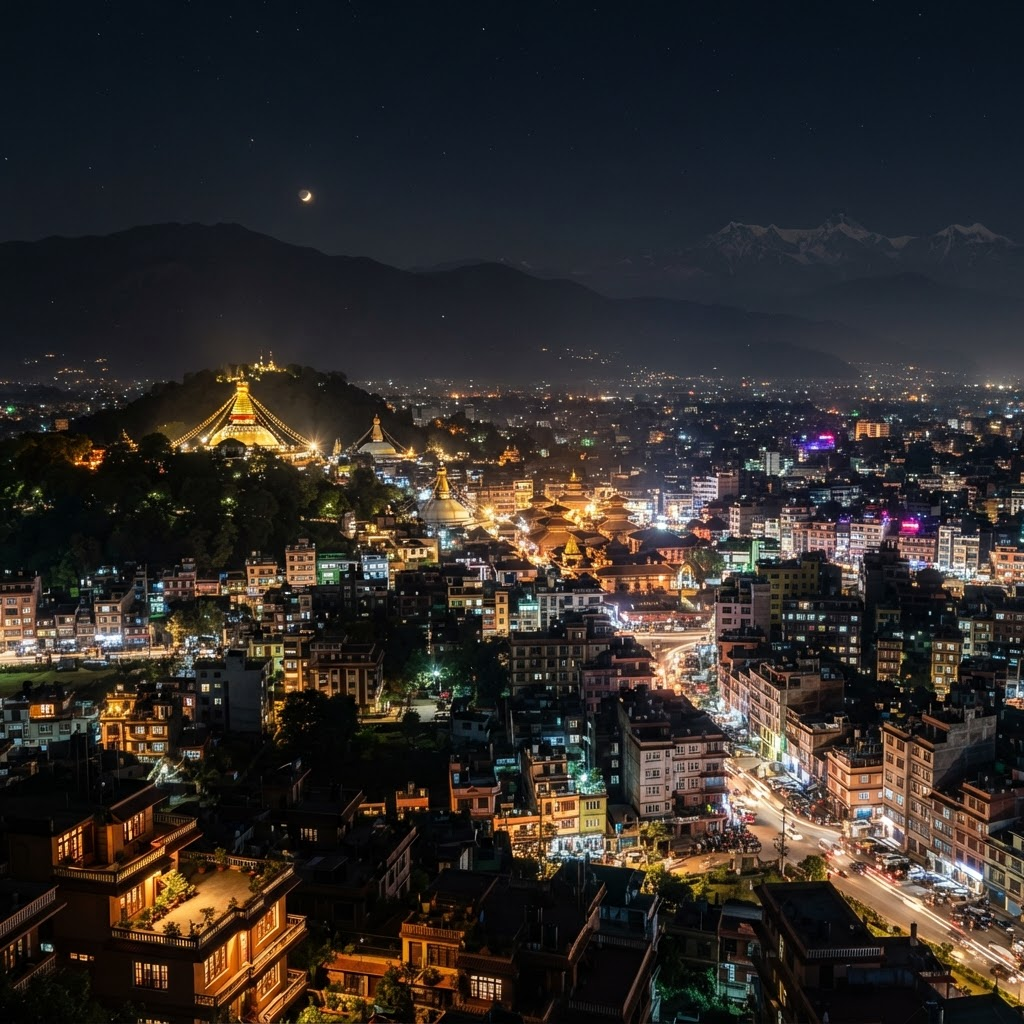
Kathmandu doesn't just have temples—it IS a temple. The entire city is a living, breathing shrine where spirituality and modernity dance together.
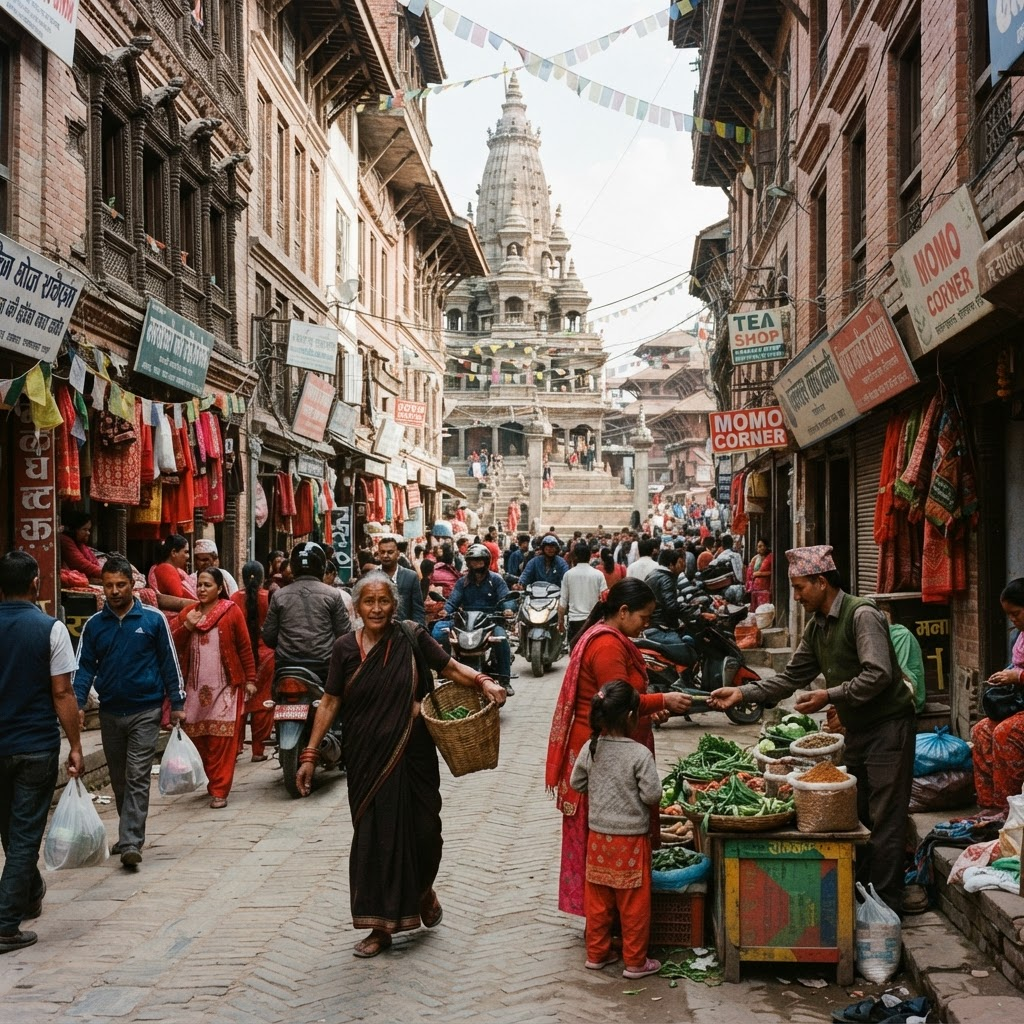
My first morning in Kathmandu, I woke up to the sound of temple bells echoing through the narrow lanes of Thamel. It was 5 AM, and the city was already alive with spiritual energy.
I visited Pashupatinath Temple first. This UNESCO World Heritage Site is one of the most important Hindu temples dedicated to Lord Shiva. Walking through the ancient courtyards, watching pilgrims perform their morning rituals, I felt transported through centuries.
But Pashupatinath is also the cremation ghats, where life and death coexist peacefully. It was a sobering reminder of the cycle of life—a perspective the Hindu philosophy embraces with wisdom.
Next was Boudhanath Stupa, one of the largest stupas in the world. The sheer size is humbling. Thousands of prayer wheels surround the main stupa, and pilgrims walk clockwise around it in meditation. The quiet reverence was infectious.
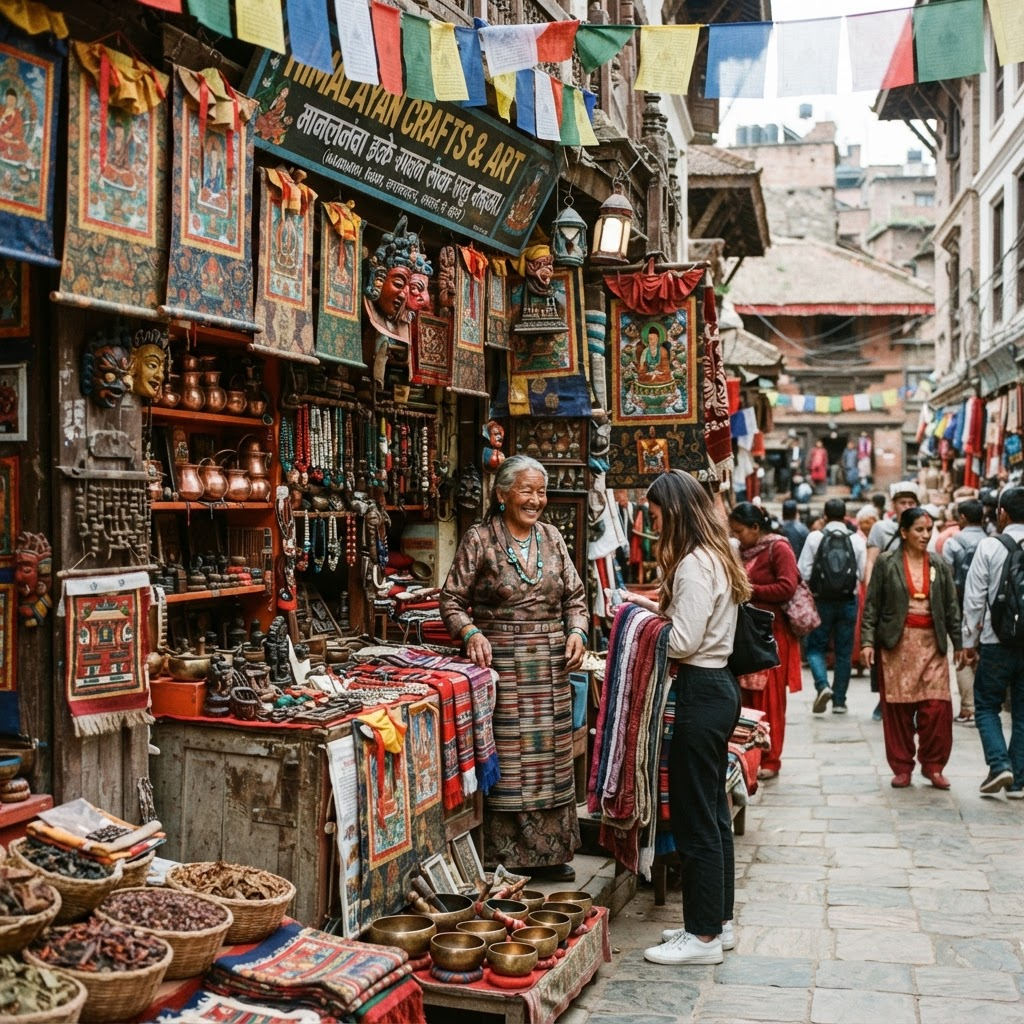
I spent hours there, just walking and meditating. The stupa's white dome against the clear blue sky created a serene atmosphere. I bought prayer beads from a local seller and spent the afternoon in contemplation.
Swayambhunath Stupa offered another spiritual experience. Perched on a hilltop overlooking the valley, it's called the "Monkey Temple" because of the monkeys living there (which I learned should be treated with respect!).
Each temple offered different insights. Beyond the religious significance, these temples are architectural marvels. The intricately carved wooden windows, the golden spires, the detailed artwork—each detail tells stories of devotion and artistry.
Kathmandu's temples taught me that spirituality isn't just about prayer—it's about connection. Connection to history, to others, to nature, and to something greater than ourselves.